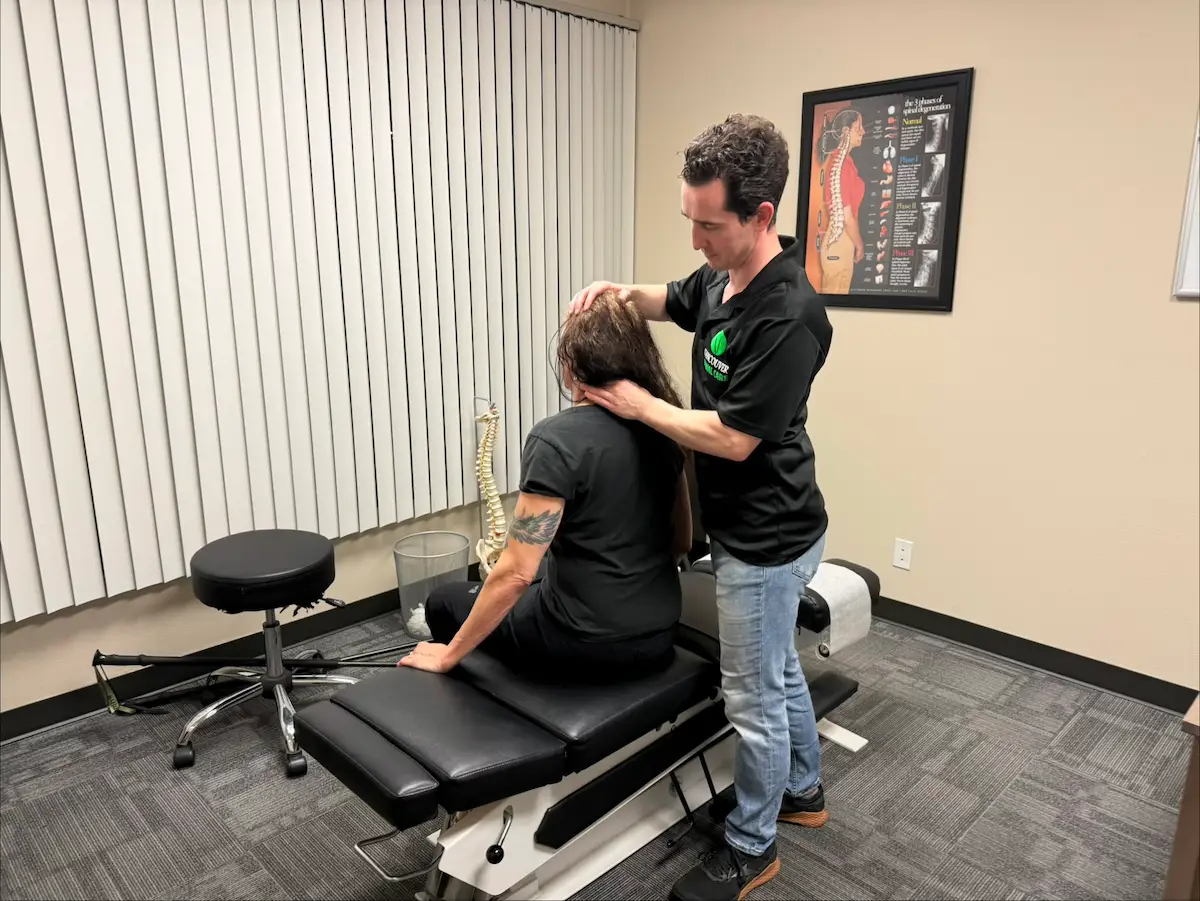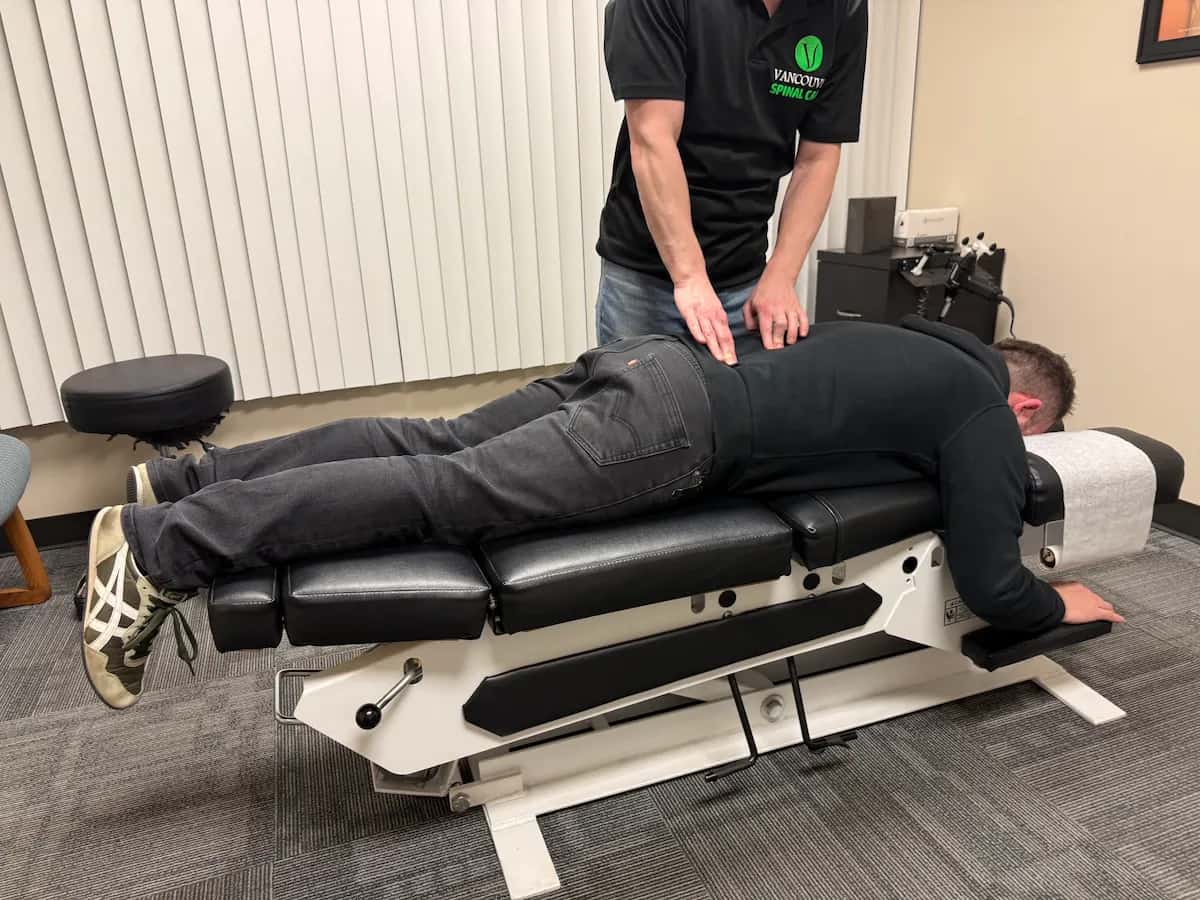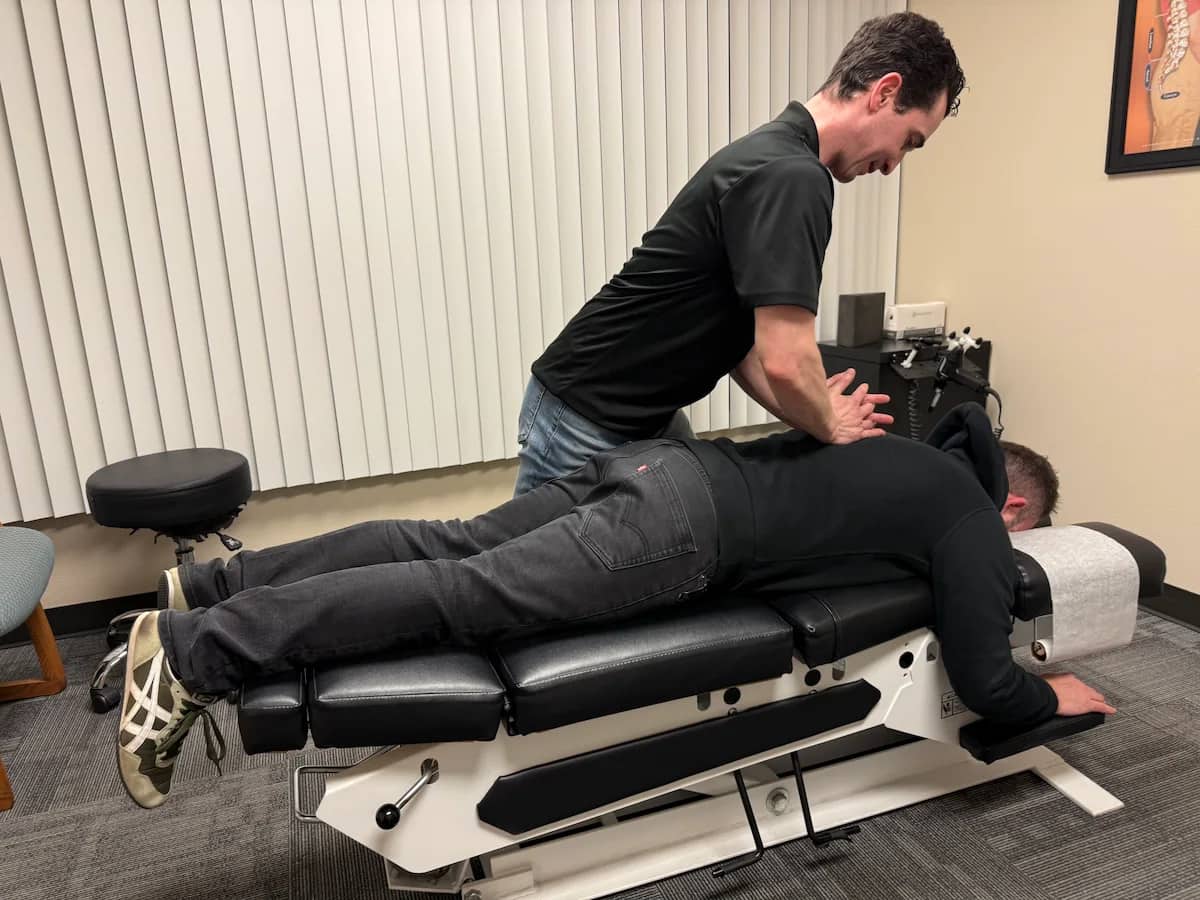

Most athletes don’t think about chiropractic care until something hurts. But the most valuable use of chiropractic for athletes isn’t injury treatment – it’s injury prevention. When the spine is properly aligned, joints are moving freely, and movement patterns are functioning as they should, the body handles athletic stress more efficiently and recovers faster. At Vancouver Spinal Care, injury prevention is a core part of what we offer Vancouver athletes at every level.
Why Athletes Get Injured – The Real Mechanism
Most sports injuries don’t happen in isolation. They happen because an athlete’s body has been operating with a vulnerability – a movement pattern dysfunction, a muscle imbalance, a restricted joint – that eventually reaches a breaking point under the demands of competition or training. The ankle that rolls during a cut, the hamstring that strains during a sprint, the shoulder that gives out on a throw – these are rarely random. They’re often the predictable outcome of a problem that’s been building for weeks or months.
This is why the question worth asking isn’t just “how do I treat this injury” but “why did this happen, and what do I need to change so it doesn’t happen again?” That second question is where injury prevention work lives – and it’s where Dr. Freeman’s Exercise Science background and functional movement assessment tools come directly into play.
Functional Movement Screening: Finding Problems Before They Become Injuries
The Functional Movement Screen (FMS) is a systematic evaluation of fundamental movement patterns – the building blocks of athletic performance. It assesses how well an athlete can squat, lunge, reach overhead, rotate, and control single-leg stability. The results reveal asymmetries, mobility restrictions, and stability deficits that increase injury risk.
Here’s the practical application: an athlete with a significant left-right asymmetry in their squat pattern is loading one leg more than the other with every jump, cut, and landing. That asymmetry is an injury waiting to happen – it just hasn’t happened yet. Identifying it before it produces a knee, hip, or ankle injury allows us to address it directly through targeted mobility work and corrective exercise, changing the injury trajectory before the athlete ever steps into a doctor’s office for a post-injury evaluation.
Our sports performance and rehabilitation program uses functional movement screening as a foundation for both prevention and performance work. Athletes who go through this process often discover weaknesses and compensations they weren’t aware of – and addressing them improves both their durability and their movement efficiency.
How Spinal Alignment Affects Athletic Performance and Injury Risk
Spinal alignment isn’t just about back pain – it affects the entire kinetic chain of athletic movement. When the spine is misaligned, the nervous system’s ability to coordinate muscle activation patterns is disrupted. This shows up as subtle timing problems in how muscles fire, reduced proprioceptive accuracy (the body’s sense of joint position during movement), and compensatory patterns that put abnormal stress on joints and soft tissue downstream from the spinal issue.
A rotational asymmetry in the lumbar spine, for example, creates uneven hip mechanics that can predispose an athlete to groin strains, IT band problems, and knee issues – none of which seem directly spine-related. A cervical misalignment affects the vestibular signals the brain uses to coordinate balance and spatial orientation, which matters for any sport requiring rapid direction changes or aerial awareness.
Regular chiropractic care keeps the spinal joints mobile and properly aligned, which supports better nervous system function throughout the body – including the motor control and proprioception that underlie athletic movement quality.
What Prevention-Focused Chiropractic Care Looks Like for Vancouver Athletes
Pre-Season Assessment
The best time to address movement vulnerabilities is before the competitive season begins – before the training load is at its highest and before the accumulation of game stress has started. A pre-season evaluation at Vancouver Spinal Care includes spinal assessment, functional movement screening, and identification of any existing joint restrictions or muscle imbalances. This gives athletes and coaches an objective picture of where the athlete is starting from and what needs attention before the season gets underway.
In-Season Maintenance
Even athletes who start a season in excellent structural condition accumulate wear over the course of a competitive schedule. Regular chiropractic check-ins during the season – even just once or twice a month – catch alignment shifts and joint restrictions before they compound into significant problems. Many of the professional and collegiate sports programs that have integrated chiropractic care into their athlete health protocols have found that in-season maintenance reduces the incidence of time-loss injuries compared to treating problems only when they become symptomatic.
The D1 and D2 Athlete Assessment
One of the more unique aspects of what Dr. Freeman offers is the comprehensive athlete assessment that Division I and Division II college coaches rely on during the recruitment process. This assessment provides a medically backed evaluation of an athlete’s structural health and functional movement status – information that matters to coaches who are making long-term decisions about which athletes to invest in. For Vancouver-area athletes being evaluated for collegiate recruitment, this is a service that’s genuinely difficult to find elsewhere in Clark County.
Sports That Benefit Most from Preventive Chiropractic Care
Every sport has its own injury profile, and preventive chiropractic care can be tailored accordingly. A few of the sports where we see the clearest benefits for Vancouver athletes:
Baseball and softball players put enormous rotational demands on the thoracic and lumbar spine with every throw and swing. Maintaining thoracic rotation and lumbar mobility reduces the compensation patterns that lead to shoulder and elbow overuse injuries. Soccer and football players rely heavily on lower extremity function and explosive change of direction – hip, sacroiliac, and lumbar health directly affects how safely they can perform these movements. Swimmers and overhead athletes need shoulder and thoracic mobility that’s often restricted by postural patterns developed away from the pool or field. And runners need the pelvis and lumbar spine functioning symmetrically – even small left-right asymmetries in pelvic mechanics translate into significant cumulative load differences over the miles.
Youth Athletes Deserve the Same Attention
Injury prevention isn’t just for adult and collegiate athletes. Youth athletes in Vancouver are training and competing at higher intensities and earlier ages than ever before, and their developing bodies are both more adaptable and more vulnerable than adult bodies. Early identification of movement pattern problems and spinal alignment issues in young athletes sets them up for healthier athletic careers – and often better performance – as they develop.
Dr. Freeman sees youth athletes regularly and adjusts both the assessment tools and the care approach for younger patients. Parents who want their athlete evaluated before a season or after an injury are welcome to call and ask what makes sense for their child’s age and sport.
Ready to Train Smarter and Stay Healthier?
If you’re a Vancouver athlete – at any level, in any sport – and you want to understand where your movement vulnerabilities are before they become injuries, we’d like to help. Dr. Freeman’s combination of Exercise Science training and chiropractic care gives him a perspective on athletic injury prevention that most practitioners in Clark County simply don’t have. Schedule an assessment online or call us at 360-694-0300.