Sacroiliac joint dysfunction is one of the most frequently missed sources of low back and hip pain – and one of the most common conditions we identify in Vancouver, WA patients who’ve been treated for back pain without lasting results. The SI joints sit at the base of the spine where it connects to the pelvis, and when they’re not functioning properly, they produce pain that’s easily mistaken for a lumbar disc problem, sciatica, or hip arthritis. Getting the diagnosis right changes everything about how the problem is treated.
What the Sacroiliac Joints Are and What They Do
The sacroiliac joints – there are two, one on each side of the pelvis – connect the sacrum (the triangular bone at the base of the spine) to the ilium (the large pelvic bones on either side). They’re large, relatively flat joints that are held in place by some of the strongest ligaments in the body.
Unlike the spinal joints above them, the SI joints don’t move much – just a few millimeters of gliding and rotation. But that small amount of movement is essential for distributing the load between the spine and the legs during walking, running, and standing. When the SI joints become restricted, inflamed, or shift out of their optimal alignment, they can produce significant pain and functional disruption that most patients don’t immediately connect to the pelvis.
Why SI Joint Problems Are So Often Misdiagnosed
The sacroiliac joint’s pain referral pattern is a large part of why it gets missed. SI joint dysfunction doesn’t just produce pain at the joint itself – it refers pain into the low back, buttock, hip, groin, and sometimes down the back of the thigh in a pattern that closely resembles lumbar disc pain and sciatica.
Patients with SI joint dysfunction frequently receive treatment for lumbar disc problems or piriformis syndrome because the symptoms point in that direction. When the lumbar spine is treated and the pain doesn’t fully resolve, the SI joint is often the missing piece. Research estimates that SI joint dysfunction accounts for somewhere between 15 and 30 percent of chronic low back pain cases – a significant proportion that goes unrecognized when the evaluation doesn’t specifically include the pelvis.
Standard lumbar X-rays don’t always capture the SI joint well, and MRI findings don’t always correlate with clinical symptoms. This means clinical examination – specific orthopedic tests designed to stress the SI joint and reproduce the patient’s familiar pain – remains the most reliable diagnostic tool, and it requires a provider who knows to look there.
Common Causes of SI Joint Dysfunction
Pregnancy and Postpartum Changes
The hormone relaxin, released during pregnancy, loosens the ligaments throughout the pelvis in preparation for delivery. This increased mobility in the SI joints can allow them to shift and become irritated – producing the pelvic and low back pain that many pregnant women experience, particularly in the second and third trimester. Postpartum, the ligaments restabilize but the joints don’t always return to optimal alignment without help, which is why SI joint pain persists for some women well after delivery.
Leg Length Discrepancy
Even a small difference in leg length – whether structural (actual difference in bone length) or functional (from pelvic tilt or muscle imbalance) – creates asymmetrical loading through the SI joints with every step. Over years, this asymmetrical stress contributes to degeneration and dysfunction on the more heavily loaded side.
Repetitive Impact and Occupational Strain
Running, heavy lifting, prolonged one-sided occupational postures, and fall injuries are all common causes of SI joint dysfunction. Trades workers and manual laborers who spend years lifting asymmetrically or working from ladders develop SI joint problems at higher rates than the general population.
Spinal Fusion or Lumbar Surgery
Patients who have had lumbar spinal fusion sometimes develop SI joint problems afterward – a phenomenon called adjacent segment disease. When the fused spinal levels can no longer move, the SI joints absorb more of the mechanical load that was previously distributed through the spine. This is an important consideration for patients with prior lumbar surgery who present with continued or new-onset low back pain.
How SI Joint Pain Feels – Recognizing the Pattern
SI joint pain has a few characteristic features that help distinguish it from lumbar disc or sciatica presentations. The pain is typically felt on one side of the low back, centered over or just below the bony prominence of the posterior pelvis (the PSIS – posterior superior iliac spine). It often radiates into the buttock and upper posterior thigh but rarely travels below the knee, which is one distinguishing feature from true lumbar radiculopathy.
Activities that load the SI joint asymmetrically are often particularly provocative – climbing stairs, rolling over in bed, getting in and out of a car, or standing on one leg. Prolonged sitting or standing in one position also tends to aggravate it. Many patients describe a catching or sharp pain with specific movements, rather than the constant deep aching more typical of disc problems.
How We Diagnose and Treat SI Joint Dysfunction at Vancouver Spinal Care
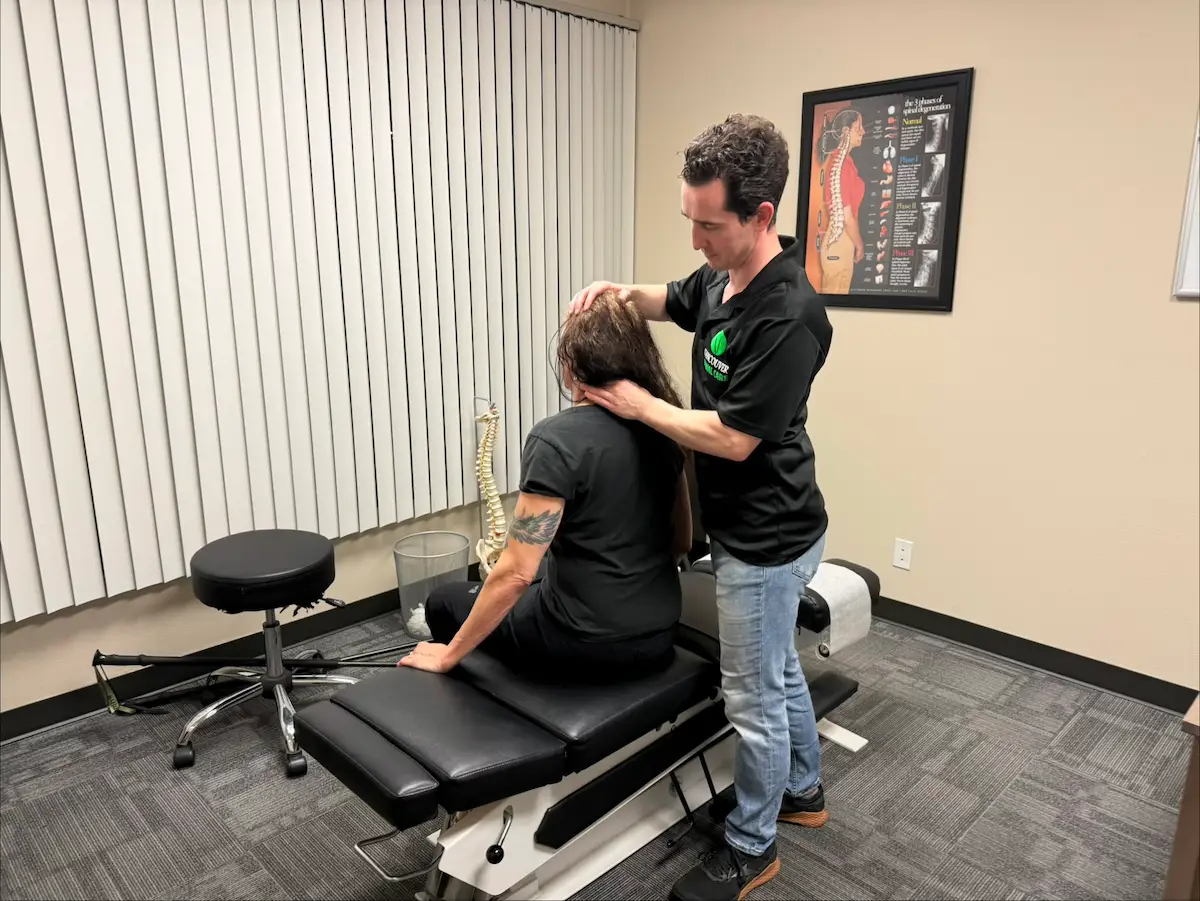
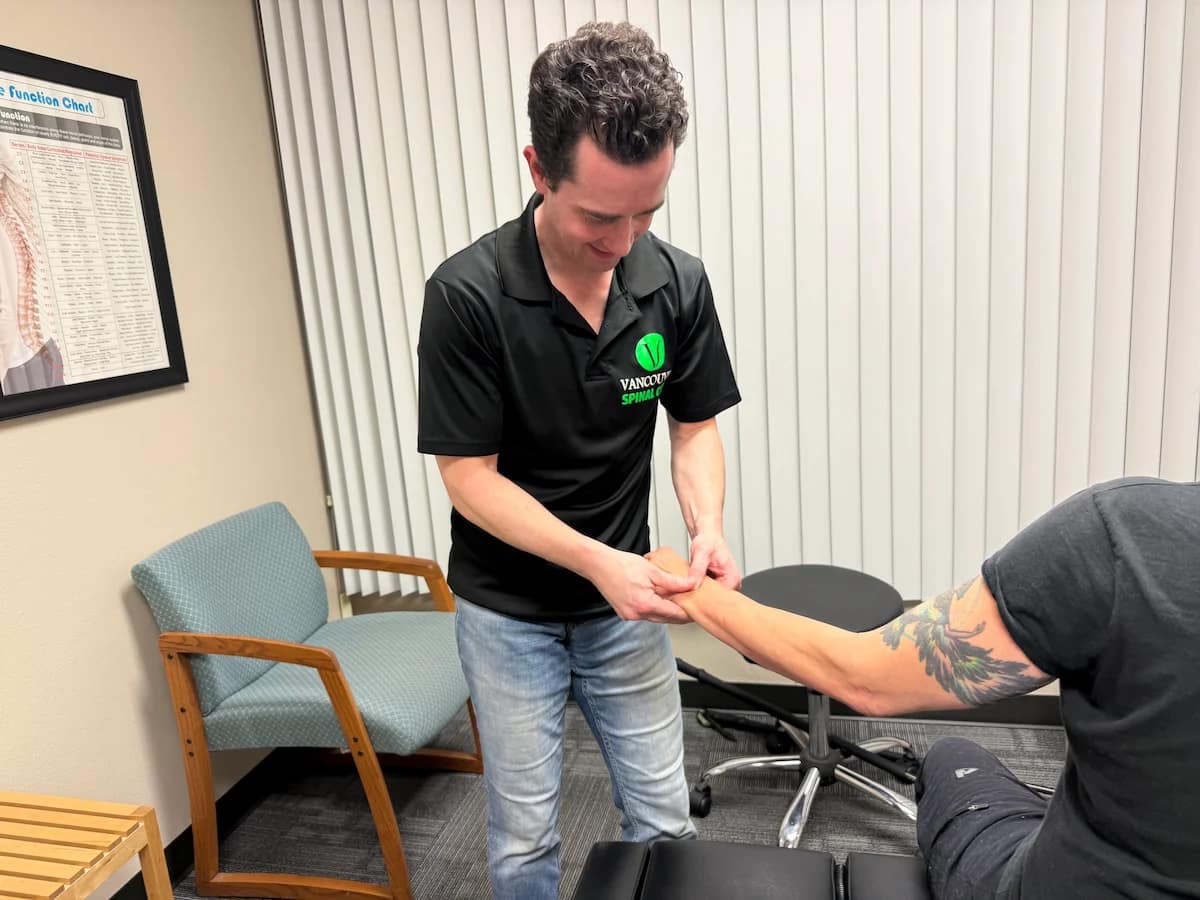
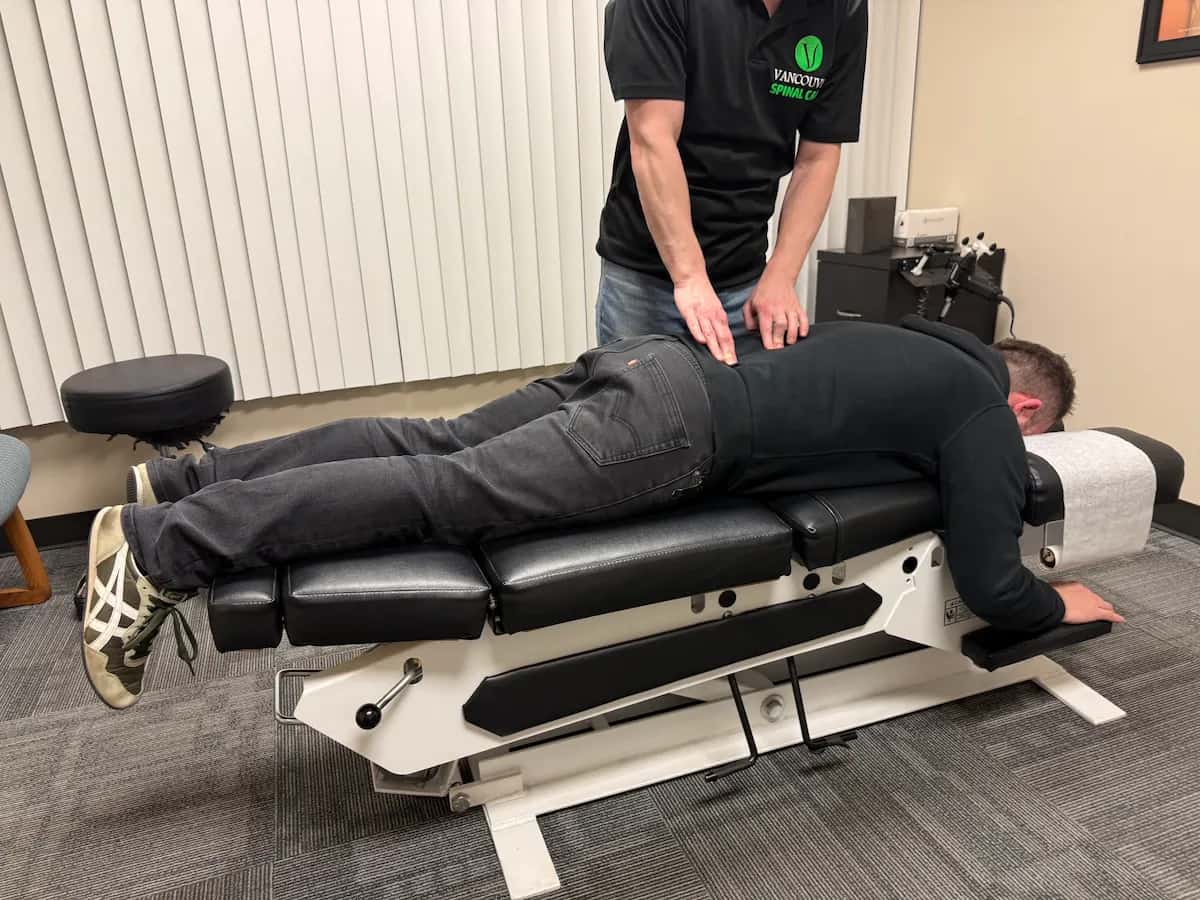
Diagnosis begins with a thorough physical examination using specific SI joint provocation tests – a cluster of orthopedic maneuvers that stress the joint from different directions. When multiple tests in the cluster are positive and reproduce the patient’s familiar pain, that’s strong clinical evidence of SI joint involvement. Dr. Freeman’s examination includes both lumbar and SI joint assessment for every low back pain patient, which is how SI dysfunction gets caught rather than missed.
Diagnostic X-rays assess the structural status of the pelvis and the lumbar-pelvic junction. The Nervous System Scan identifies asymmetrical muscle tension patterns across the low back and pelvis that often accompany SI joint problems.
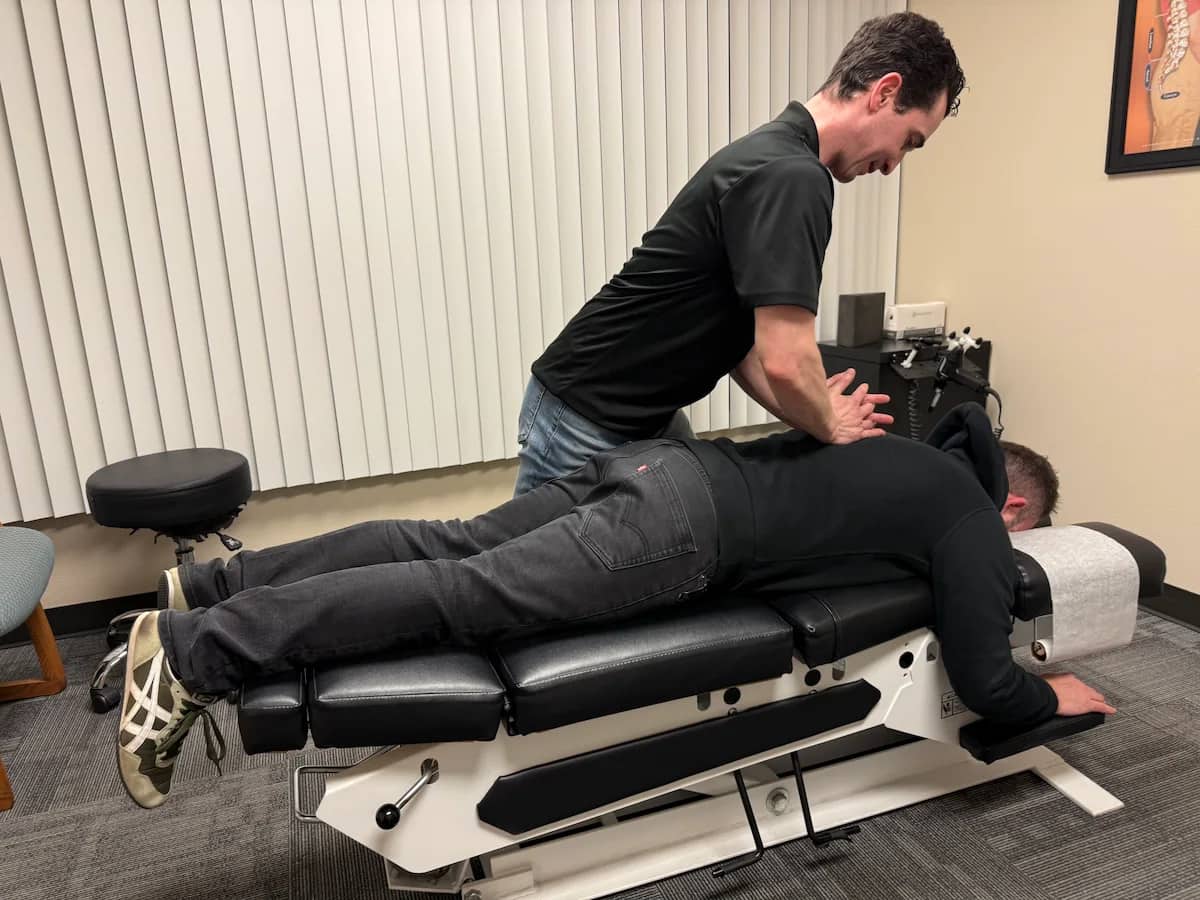
Treatment for SI joint dysfunction focuses on restoring proper joint mechanics through targeted chiropractic adjustments to the sacroiliac joint and surrounding pelvic structures. The adjustments are specific to the direction of restriction or misalignment identified in the examination – not a generic lumbar manipulation. As joint mobility improves, the rehabilitation phase addresses the gluteal and hip stabilizer muscle function that helps maintain SI joint stability and prevents recurrence.
For patients whose SI dysfunction has a lumbar component – as is often the case – back pain treatment addresses both regions. And when the clinical picture suggests sciatic nerve involvement from SI joint irritation rather than lumbar disc compression, the distinction shapes the treatment approach in ways that produce better outcomes than a one-size-fits-all low back protocol.
Frequently Asked Questions
How do I know if my back pain is coming from the SI joint vs. a lumbar disc?
A few clues: SI joint pain tends to be one-sided and located over the back of the pelvis rather than centered in the lumbar spine. It’s often provoked by asymmetrical loading (stairs, single-leg activities) and rarely radiates below the knee. Lumbar disc pain more often produces centralized low back pain with symptoms that travel further down the leg. A proper clinical examination is the most reliable way to distinguish between them – the provocation tests are quite specific when used correctly.
Can SI joint dysfunction resolve on its own?
Mild acute cases sometimes settle with rest and anti-inflammatory measures. Chronic or recurrent SI joint dysfunction – particularly when it involves restricted joint mechanics rather than pure inflammation – typically needs hands-on treatment to restore proper function. Left unaddressed, the surrounding muscles compensate in ways that perpetuate the problem and create secondary issues in the lumbar spine and hip.
Is SI joint dysfunction common during pregnancy?
Very. Pregnancy-related pelvic girdle pain driven by SI joint dysfunction is one of the most common complaints in the second and third trimester, and prenatal chiropractic care – adapted appropriately for pregnancy – can provide significant relief. Postpartum SI joint dysfunction is also common and worth evaluating if low back and pelvic pain persists after delivery.
If Your Low Back Pain Hasn’t Fully Responded to Treatment, This May Be Why
SI joint dysfunction is frequently the missing piece for patients who’ve had lumbar treatment without complete resolution. Vancouver Spinal Care has been helping Vancouver, WA and Clark County patients identify and treat this overlooked condition for over 15 years. If your low back pain keeps coming back despite prior care, let’s find out if the sacroiliac joint is part of the picture. Schedule an appointment online or call us at 360-694-0300.