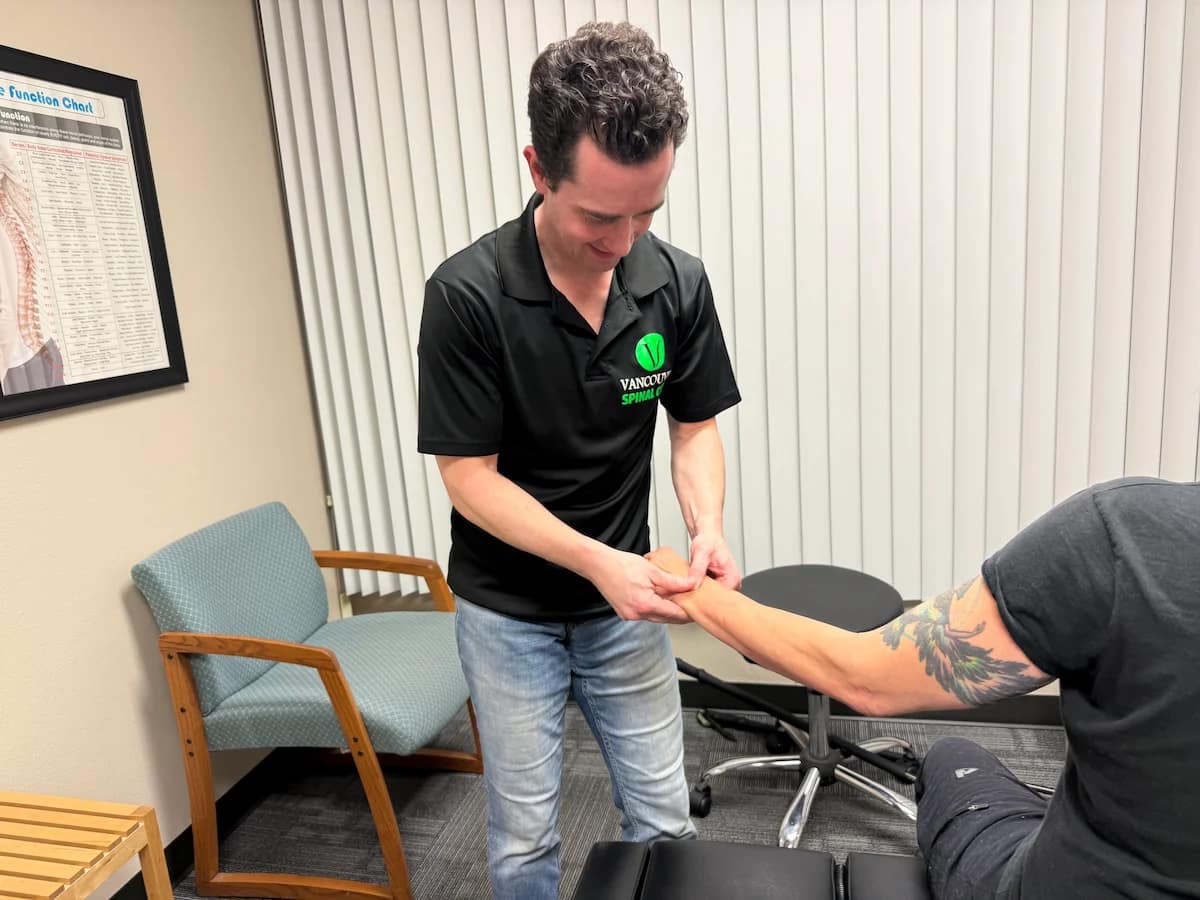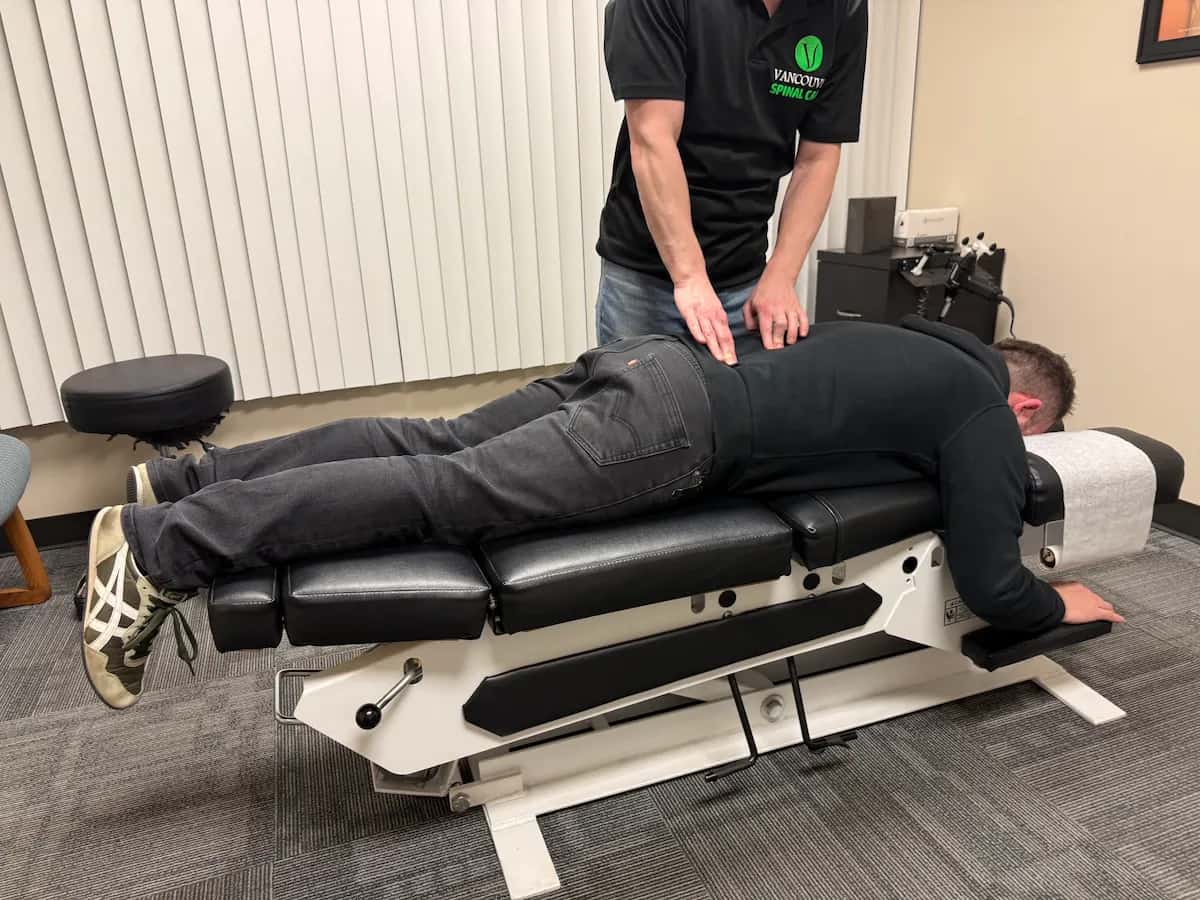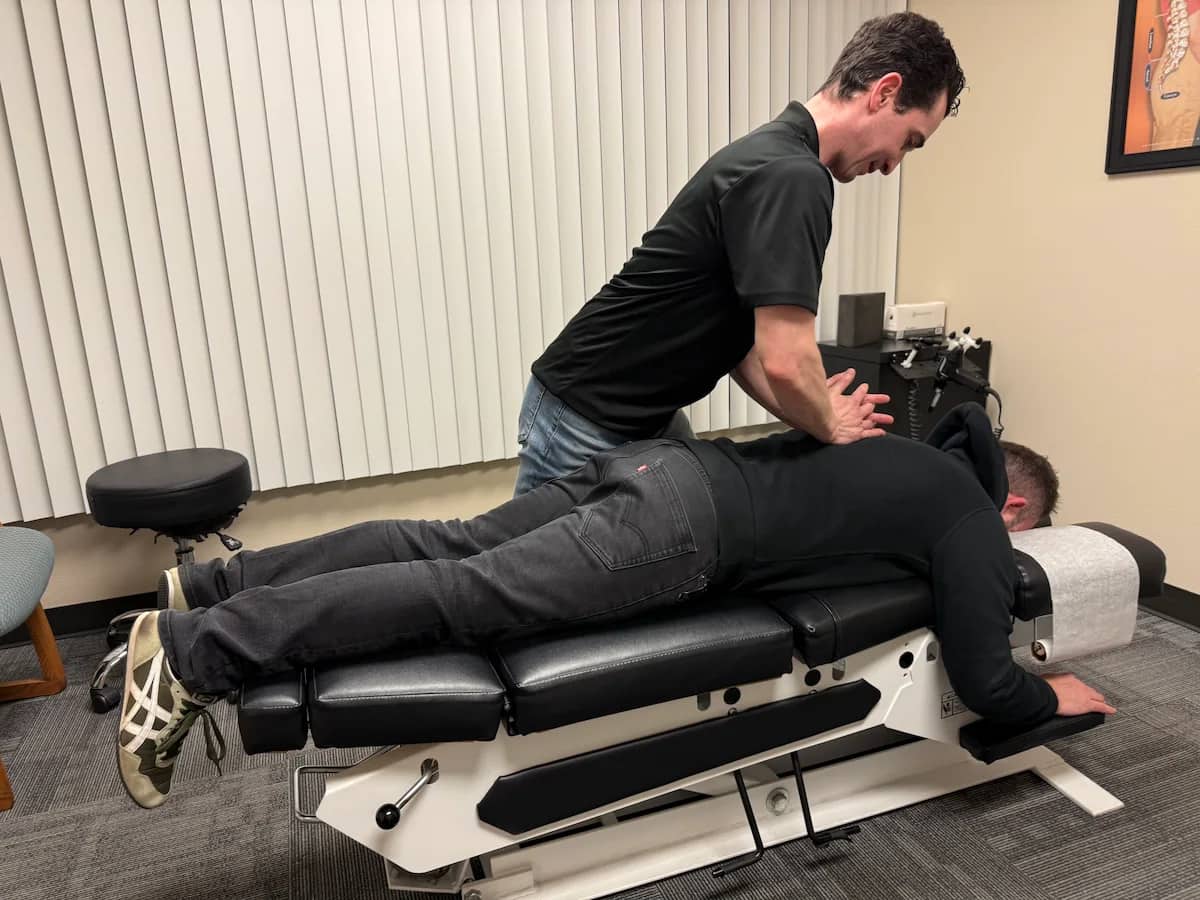
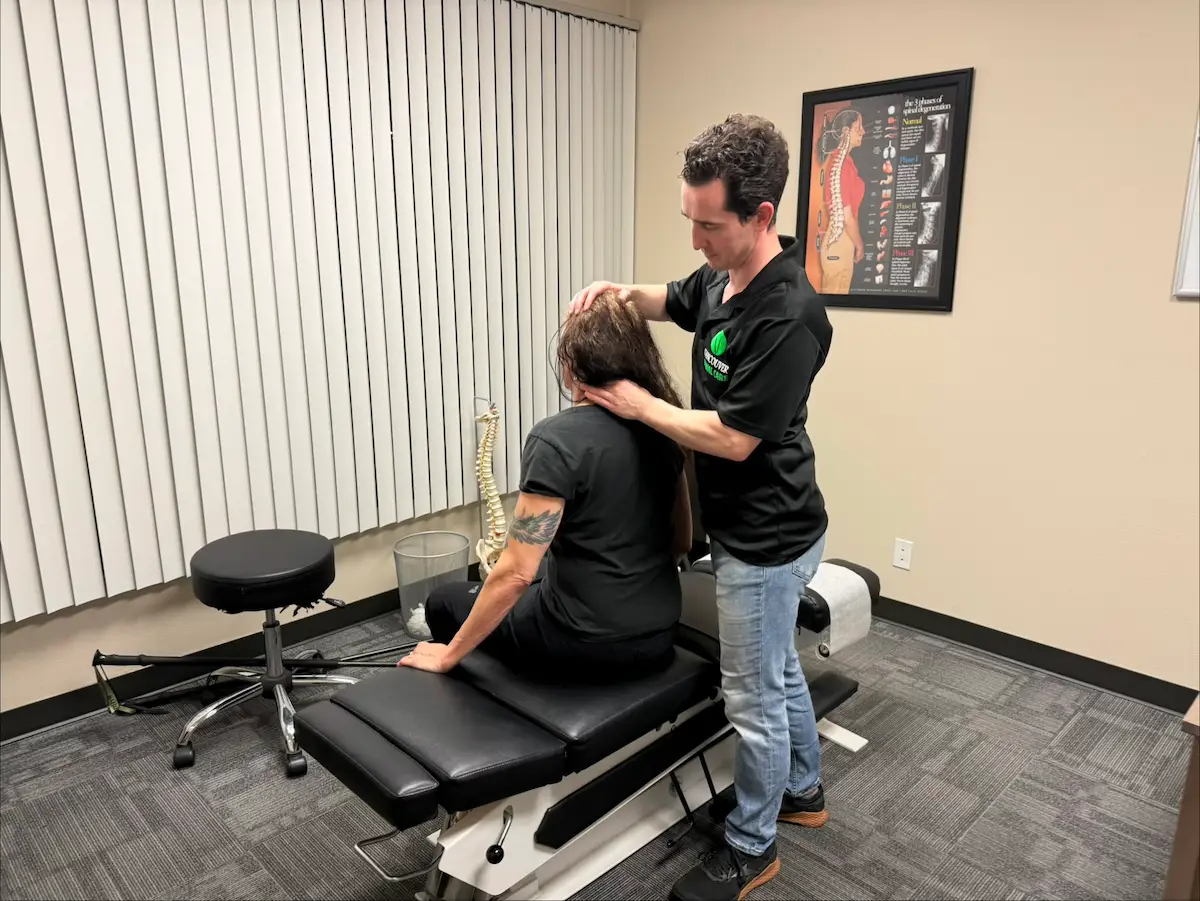
Returning to work after a serious on-the-job injury is one of the most important – and often most anxious – phases of the recovery process. Washington State’s L&I system is designed to support injured workers through this transition, and chiropractic care plays a direct role in getting people back to work safely and with proper documentation that protects their claim. At Vancouver Spinal Care, we’ve guided many Vancouver, WA workers through the return-to-work phase and understand what’s required on both the clinical and administrative sides.
The Return-to-Work Phase of an L&I Claim
Washington State L&I doesn’t just pay for initial treatment after a workplace injury – it supports the entire recovery process through to safe return to work. The return-to-work phase begins when an injured worker’s condition has stabilized sufficiently to consider work activity, even if full recovery hasn’t been reached.
This phase involves several moving parts. The treating provider – in this case, Dr. Freeman – plays a central role in documenting the worker’s functional status, what work activities they can and cannot perform, and what restrictions apply. That clinical documentation directly shapes the return-to-work plan, including whether light-duty or modified work is appropriate, and when full duty can be resumed.
Getting this documentation right matters. Inadequate or unclear functional assessments can lead to workers being returned to full duty before they’re ready, which risks re-injury and further claim complications. It can also lead to claim disputes if the worker’s limitations aren’t clearly supported in the medical record.
What “Maximum Medical Improvement” Means for Your Claim
L&I claims typically move toward closure when a worker reaches what’s called Maximum Medical Improvement (MMI) – the point at which further significant recovery isn’t expected with continued treatment. Reaching MMI doesn’t necessarily mean the worker is fully recovered or pain-free; it means the condition has stabilized.
At MMI, L&I evaluates whether the worker has any permanent partial disability – lasting functional limitations from the injury – and calculates any applicable permanent partial disability award. The quality and completeness of the clinical documentation throughout the treatment process, including the return-to-work phase, directly affects this determination.
Dr. Freeman’s documentation practices are built around the requirements of the L&I system. Every evaluation and progress note is written with both clinical completeness and claim support in mind.
Light-Duty Work and Its Role in Recovery
Returning to modified or light-duty work – rather than waiting until full recovery to return to any work – is generally better for both the worker and the claim. Research on occupational injury recovery consistently shows that gradual return to work, even with restrictions, produces better long-term outcomes than prolonged absence. Movement and purposeful activity support healing in ways that complete rest doesn’t.
The challenge is that “light duty” has to be genuinely light – modifications that respect the worker’s clinical restrictions and don’t push the recovering injury back into an acute state. Dr. Freeman works with workers and employers to establish realistic restrictions that allow productive return to work without compromising the recovery.
For workers whose employers can’t or won’t accommodate light-duty restrictions, L&I has provisions for vocational assistance and, in some cases, continued time-loss benefits. These are situations where having clear, well-documented clinical restrictions from your treating provider is especially important.
How Chiropractic Care Specifically Supports Return to Work
For the musculoskeletal injuries that make up the majority of L&I claims – back injuries, neck injuries, shoulder injuries, and soft tissue damage – chiropractic care is directly aligned with the functional goals of the return-to-work phase.
Restoring Functional Range of Motion
Many return-to-work restrictions are based on range of motion limitations – what the worker can bend, lift, reach, or rotate without risk of re-injury. Chiropractic adjustments and associated soft tissue work directly improve joint mobility and functional range of motion, which is what allows restrictions to be progressively lifted as recovery proceeds.
Building Strength and Stability
Dr. Freeman’s Exercise Science background is particularly relevant in the return-to-work phase. Rebuilding the core stability, hip strength, and movement patterns that support safe return to physical work requires a rehabilitation approach that goes beyond passive treatment. Understanding how work-specific movements load the recovering spine – and how to progressively build tolerance for those movements – is something his dual training addresses directly.
Objective Documentation of Progress
Serial Nervous System Scans throughout the course of care provide objective, measurable documentation of how the nervous system and musculature are responding to treatment. This kind of objective data – showing reduced inflammation, improved muscle symmetry, and normalized neural activity – supports the clinical narrative that the worker is improving and approaching readiness for return to work.
Coordinating with L&I and Employers
Vancouver Spinal Care’s L&I care includes direct coordination with the L&I claim manager assigned to the worker’s case. Progress reports, functional capacity updates, and any required L&I forms are handled by our administrative team so that the clinical and administrative sides of the claim stay synchronized.
When employers request a provider-to-employer communication about restrictions or return-to-work timing, we can participate in those discussions in a way that protects the worker’s clinical interests and keeps the employer informed appropriately. The goal is a smooth return to work that doesn’t compromise the recovery or create grounds for claim disputes.
What Injured Workers Often Get Wrong About the Return-to-Work Phase
A few misconceptions that we see regularly among L&I patients approaching the return-to-work phase:
The first is waiting too long to consider return to work because they’re afraid of re-injury. While that fear is understandable, extended work absence generally makes return harder, not easier – both physically and psychologically. Gradual return with appropriate restrictions is almost always better than all-or-nothing.
The second is not communicating clearly with the treating provider about what the job actually demands. Dr. Freeman can only write restrictions that match what the job requires if he understands what the job requires. A detailed description of the physical demands of the work – lifting amounts, postures, repetitive motions, hours on feet – makes the functional assessment far more precise and useful.
The third is assuming the claim closes automatically when they return to work. The claim remains open and benefits available if the condition worsens or a related injury occurs, depending on the specifics. Understanding the claim status and keeping the provider informed of any changes is important.
Frequently Asked Questions
Can my employer force me to return to work before my chiropractor says I’m ready?
In Washington State, L&I time-loss benefits continue as long as your treating provider certifies that you’re unable to perform your usual work. Your employer cannot unilaterally override that clinical determination. If there’s a dispute about your ability to work, L&I has processes for independent medical evaluation that both parties can access.
What happens if I return to work and my injury gets worse?
A worsening of the condition after return to work can be reported to L&I as an aggravation or reopening of the claim. Keeping your provider informed immediately if symptoms worsen after returning to work is important – both for your health and for preserving your claim rights.
You Don’t Have to Figure This Out Alone
The return-to-work phase of an L&I claim has enough moving parts that having a knowledgeable treating provider makes a real difference. Vancouver Spinal Care has been supporting injured workers throughout Vancouver, WA and Clark County through the full L&I recovery process – from initial injury through return to work – for over 15 years. Schedule an appointment online or call us at 360-694-0300 to talk through where you are in your recovery.