
Upper cervical chiropractic focuses on the top two vertebrae of the spine – the atlas (C1) and the axis (C2) – where the skull meets the neck. This region has an outsized influence on neurological function throughout the entire body, and misalignments here are a surprisingly common driver of chronic neck pain, headaches, dizziness, and other symptoms that patients often don’t connect to their spine. At Vancouver Spinal Care, upper cervical adjusting is one of the core techniques Dr. Freeman uses – and for the right patient, it can produce results that broader spinal care alone doesn’t achieve.
Why the Upper Cervical Spine Is So Important
The uppermost segment of the cervical spine is unlike any other part of the vertebral column. The atlas – C1 – is a ring-shaped vertebra with no disc above or below it, designed to cradle the base of the skull and allow the full range of head movement. The axis – C2 – has a bony projection called the dens that the atlas rotates around. Together, these two vertebrae allow approximately 50 percent of the neck’s total rotational movement.
But the significance of this region goes beyond mechanics. The brainstem – the part of the nervous system that regulates breathing, heart rate, blood pressure, balance, and the coordination of signals between the brain and the rest of the body – sits directly at the level of C1 and C2. The spinal cord exits the base of the skull through an opening surrounded by these vertebrae.
When the atlas or axis shifts even slightly out of its optimal position, it can create pressure or irritation on the surrounding neural structures – with effects that extend far beyond the neck itself. This is why upper cervical misalignment is associated with such a wide range of symptoms, many of which patients don’t initially think of as spine-related.
Conditions Linked to Upper Cervical Misalignment
Neck Pain and Stiffness
The most direct consequence of upper cervical misalignment is neck pain and restricted range of motion. When C1 or C2 is out of alignment, the surrounding muscles tighten to compensate and protect the area – producing the chronic stiffness and aching that many patients experience in the back of the neck and base of the skull. This pattern often doesn’t resolve fully with general massage or physical therapy because the underlying joint mechanics haven’t been corrected.
Headaches and Migraines
Upper cervical dysfunction is one of the most common and underrecognized causes of chronic headaches and migraines. Cervicogenic headaches – headaches that originate from the cervical spine – typically produce pain that starts at the base of the skull and radiates into the back of the head, temples, or behind the eyes. They’re often mistaken for tension headaches or migraines and treated with medication that addresses the symptom without touching the source.
Upper cervical adjusting can be remarkably effective for patients whose headaches have a cervicogenic component. When the atlas is restored to its proper position and pressure on the surrounding neural structures is reduced, many patients experience a significant reduction in headache frequency and intensity – sometimes after years of managing symptoms with medication alone.
Dizziness and Vertigo
The vestibular system – which governs balance and spatial orientation – has close neurological connections to the upper cervical spine. Patients with upper cervical misalignment sometimes experience dizziness, a sense of unsteadiness, or cervicogenic vertigo. This is distinct from inner ear vertigo (BPPV), though the two can coexist. Upper cervical chiropractic care has shown promise in addressing the cervicogenic component of dizziness in patients where the spine is contributing to the problem.
Post-Whiplash Symptoms
Car accidents are one of the most common causes of upper cervical misalignment. The rapid acceleration-deceleration of a rear-end collision puts enormous stress on the C1-C2 junction, and even when the mid and lower cervical spine are treated effectively, lingering symptoms – headaches, neck stiffness, cognitive fog – can persist if the upper cervical segment hasn’t been properly addressed. Patients recovering from whiplash injuries often benefit significantly from upper cervical assessment as part of their care.
What Upper Cervical Adjusting Looks Like at Vancouver Spinal Care
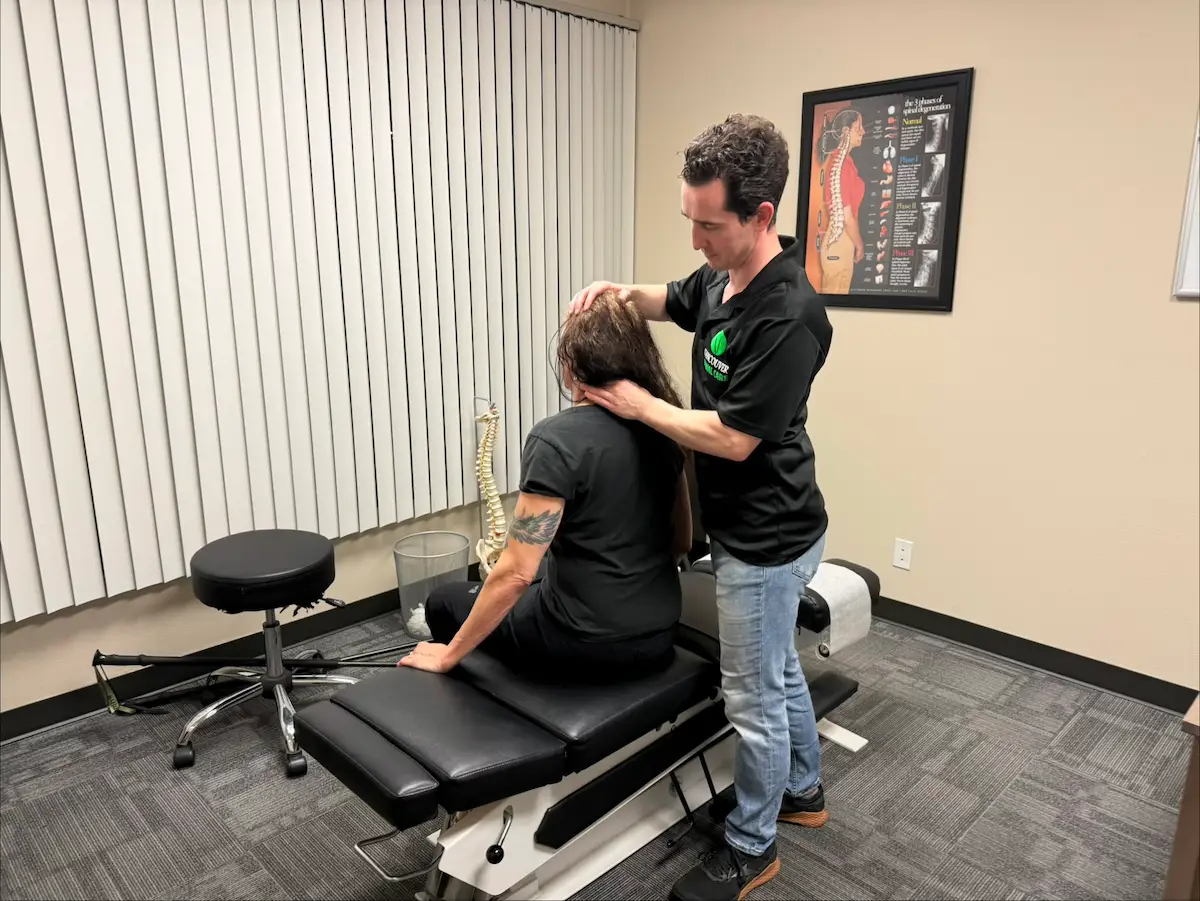
Upper cervical adjusting is more precise and lower-force than general spinal adjusting. Because the atlas and axis are smaller, more mobile, and more neurologically sensitive than the vertebrae lower in the spine, the technique used must be correspondingly more specific.
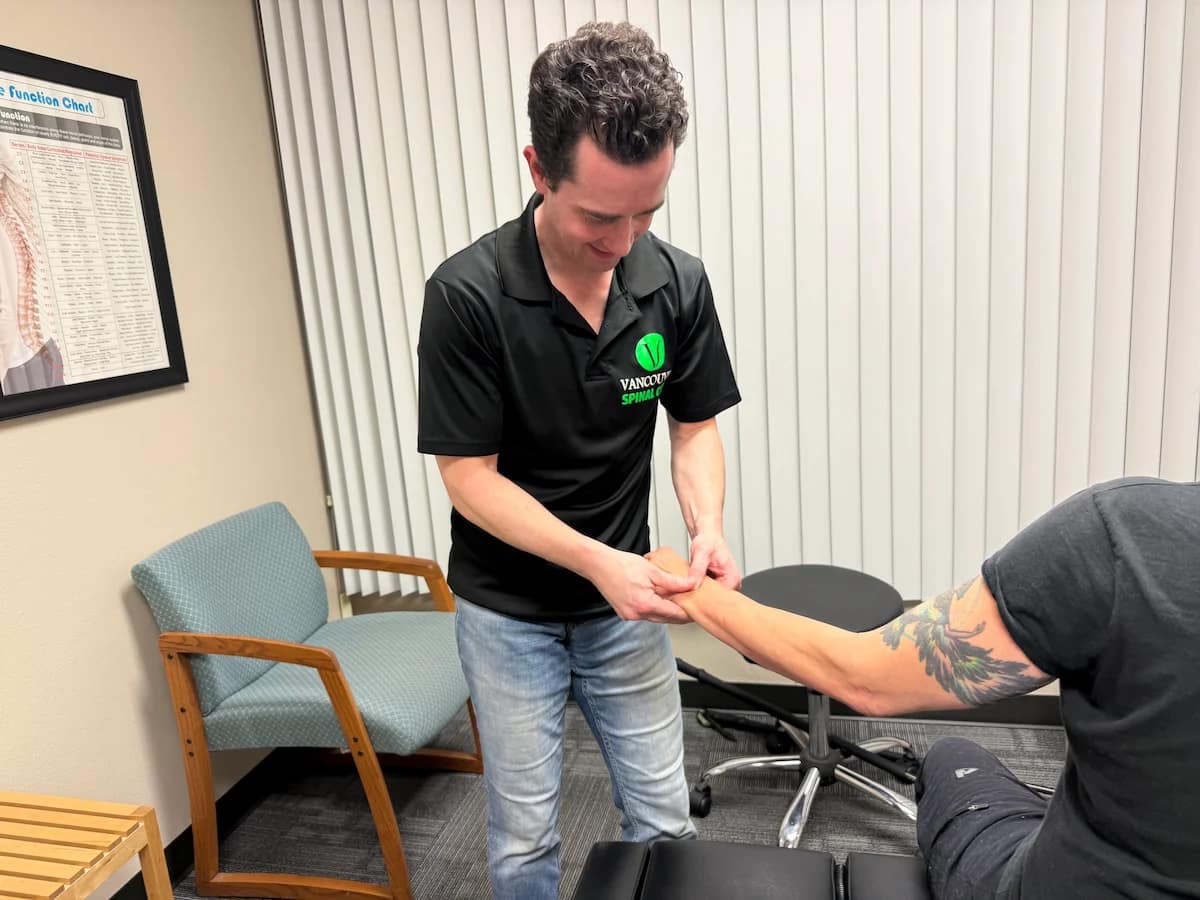
Dr. Freeman uses a combination of upper cervical adjusting and instrument-assisted techniques depending on the patient’s presentation. The adjustment targets the exact direction and degree of misalignment identified through the clinical examination and X-rays – it’s not a generalized manipulation of the neck but a specific correction to a specific segment.
Patients often notice that upper cervical adjustments feel different from the adjustments they may have received lower in the spine. The force involved is lighter and the motion is more controlled. Many patients find it less intimidating than they expected, particularly those who were nervous about neck adjustments to begin with.
How Upper Cervical Care Fits Into Your Overall Treatment Plan
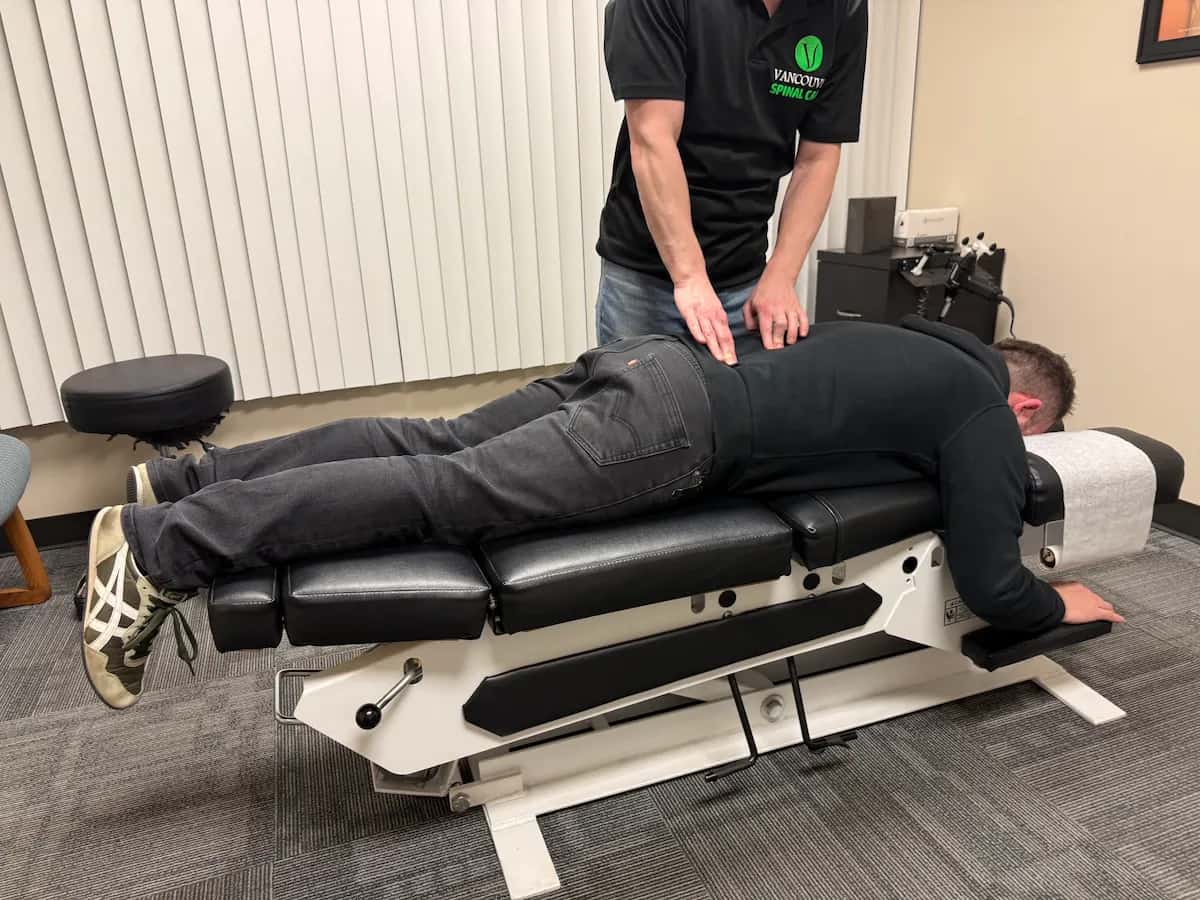
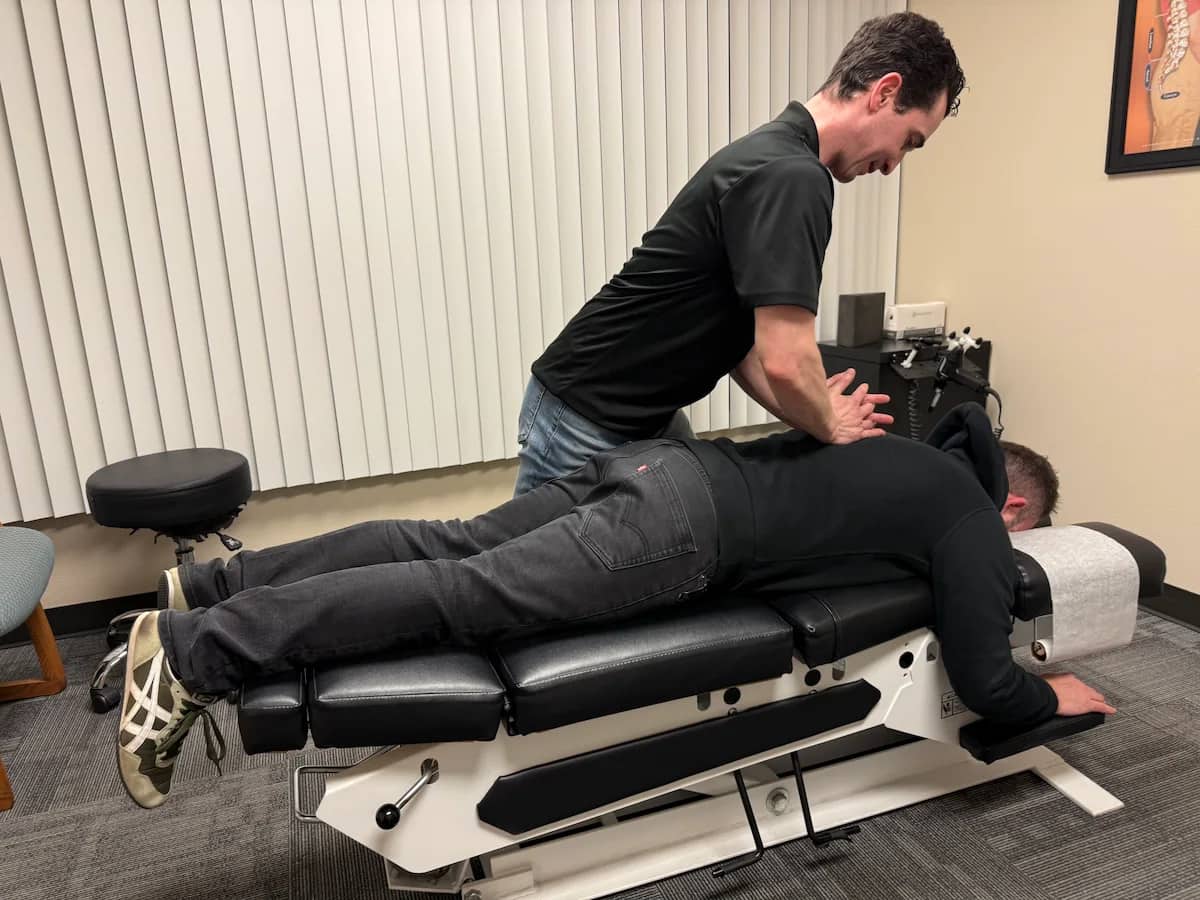
Upper cervical adjusting at Vancouver Spinal Care doesn’t exist in isolation. It’s integrated into a comprehensive treatment plan that considers the full spine, the nervous system picture from the Nervous System Scan, and the functional movement patterns that may be contributing to the patient’s presentation.
For some patients, upper cervical work is the primary focus because that’s where the clinical picture points. For others, it’s one component of broader chiropractic care that addresses multiple spinal regions. Either way, the approach is driven by what the evaluation shows – not by a predetermined protocol.
Is Upper Cervical Care Right for You?
Upper cervical chiropractic tends to be most relevant for patients with chronic headaches or migraines that haven’t responded well to other treatments, persistent neck pain or stiffness – especially at the base of the skull, a history of whiplash or head/neck trauma, dizziness or balance issues without a confirmed inner ear diagnosis, and symptoms that seem to radiate from the base of the skull upward rather than downward into the shoulders.
That said, the only way to know whether upper cervical dysfunction is contributing to your symptoms is through a proper evaluation. Dr. Freeman assesses the upper cervical spine as part of every new patient exam – so if this region is relevant to your presentation, it won’t be missed.
Frequently Asked Questions
Is upper cervical adjusting safe?
Yes. Upper cervical adjusting, when performed by a trained Doctor of Chiropractic using proper technique, is a safe and well-established approach to cervical care. The lower force involved in upper cervical techniques makes it a good option even for patients who are nervous about neck adjustments or who are in acute pain.
How quickly can upper cervical care produce results?
Some patients notice a meaningful difference after the first one to three sessions – particularly those with headaches that have a clear cervicogenic component. Others with longer-standing upper cervical dysfunction may take more time to see full results. Dr. Freeman will give you a realistic picture of what to expect based on your specific evaluation findings.
Will I need upper cervical care indefinitely?
Not necessarily. The goal is to restore proper alignment and function, build stability in the surrounding muscles, and educate you on what habits or patterns to modify to maintain the correction. Some patients benefit from periodic maintenance care; others resolve fully and don’t need ongoing visits.
Find Out if the Top of Your Spine Is the Source of Your Symptoms
If you’ve been dealing with chronic headaches, neck pain, or dizziness in Vancouver, WA and haven’t found lasting answers, the upper cervical spine may be part of the picture that hasn’t been evaluated yet. Vancouver Spinal Care is located in the Orchards neighborhood and serves patients throughout Clark County and Southwest Washington. Schedule an appointment online or call us at 360-694-0300 to get started.