Chiropractic care is not only safe for older adults – it’s often one of the most effective drug-free options available for the kinds of pain and mobility issues that come with aging. The techniques used for senior patients are adapted to account for changes in bone density, joint health, and tissue resilience, and the goals of care shift accordingly: less about high-performance recovery and more about maintaining function, reducing pain, and preserving quality of life. At Vancouver Spinal Care, we see patients well into their 70s, 80s, and beyond, and senior care is a meaningful part of our practice.
Why Older Adults Seek Chiropractic Care
The spinal conditions that bring older adults to our clinic in Vancouver, WA are largely the same ones that affect younger patients – back pain, neck pain, sciatica, and headaches – but with a different underlying picture. Decades of mechanical stress, degenerative changes, and the natural reduction in disc height and joint cartilage that comes with aging create a spine that needs more careful management, not less care.
Many senior patients come to us after years of managing pain with medication alone. Others have been told by a physician or family member to “try a chiropractor” for recurring back or hip pain. Some come in after a fall, a minor injury, or a gradual decline in mobility that’s starting to affect their independence. And some come in proactively – because they’ve seen what happens when spinal health deteriorates and they want to stay ahead of it.
Common Conditions We Treat in Senior Patients
Arthritis and Degenerative Joint Disease
Osteoarthritis of the spine – sometimes called degenerative joint disease or spondylosis – is one of the most common findings in older patients. It involves the gradual breakdown of cartilage in the spinal joints, which can lead to stiffness, reduced range of motion, and pain. Chiropractic care doesn’t reverse arthritic changes, but it can significantly improve joint mobility and reduce the pain associated with degeneration by keeping the joints moving as well as possible and reducing the muscle tension that builds around stiff, inflamed joints.
Spinal Stenosis
Spinal stenosis is a narrowing of the spinal canal that puts pressure on the spinal cord or nerve roots. It’s more common after 50 and most frequently affects the lumbar spine. Symptoms include low back pain, leg pain with walking (neurogenic claudication), and in some cases weakness in the legs. Chiropractic care for stenosis focuses on maintaining spinal mobility, reducing nerve irritation, and managing the pain associated with the condition – though severe stenosis with significant neurological deficits may require surgical consultation.
Sciatica
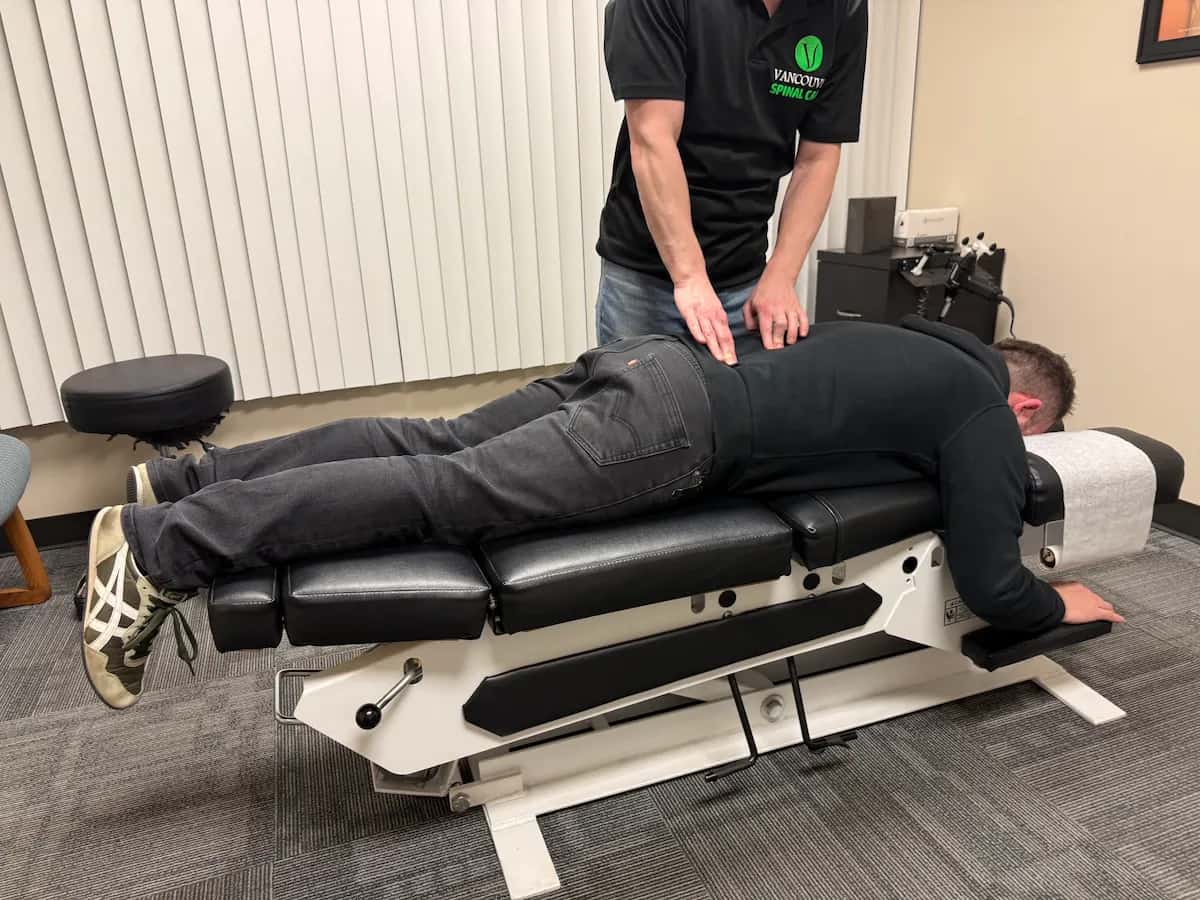
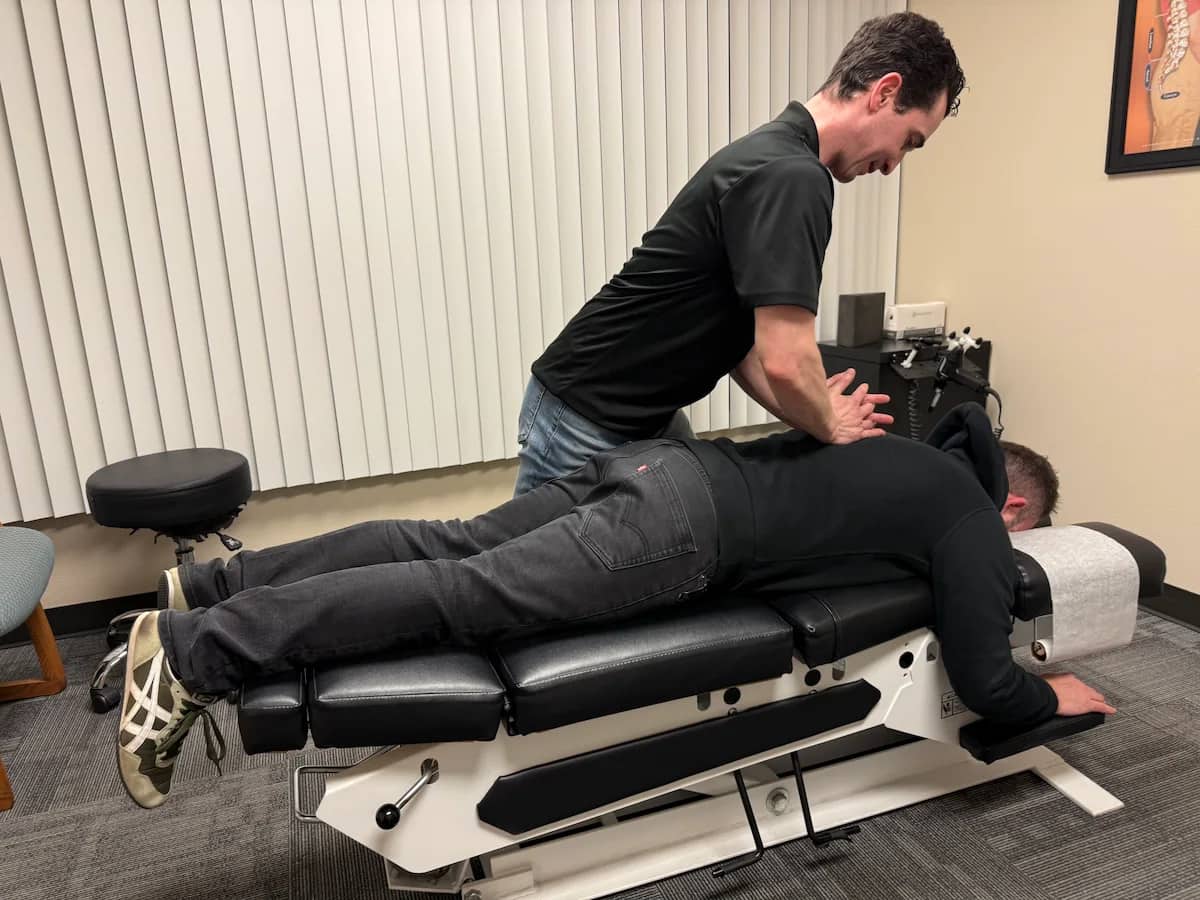
Sciatic nerve pain is particularly common in older adults because the degenerative changes in the lumbar spine – disc narrowing, facet joint arthritis, and bony overgrowth – can all contribute to nerve compression. Sciatica in seniors responds to many of the same chiropractic approaches used in younger patients, adjusted for the more complex spinal picture that often accompanies age-related changes.
Balance and Fall Prevention
This one is less obvious but genuinely important. The proprioceptive signals that the spine sends to the brain – information about body position and balance – are affected by spinal joint dysfunction. When spinal joints aren’t moving well, the quality of those signals degrades, and balance suffers. For older adults, balance problems are a major fall risk, and falls are a leading cause of serious injury in seniors. Maintaining spinal joint mobility through chiropractic care contributes to better proprioception and, over time, better balance.
Neck Pain and Headaches
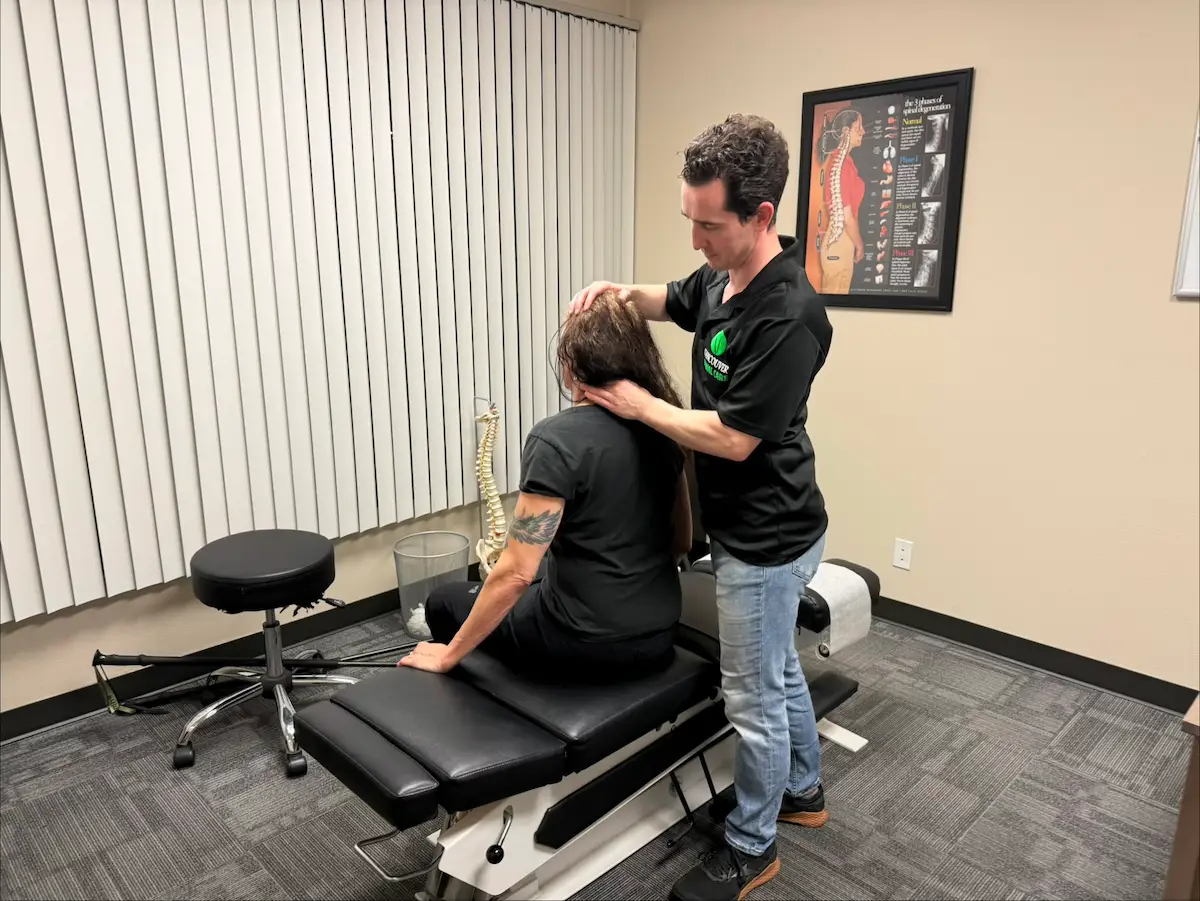
Cervical degenerative changes are nearly universal in older adults to some degree. The resulting neck pain, stiffness, and cervicogenic headaches are among the most common reasons senior patients seek chiropractic care. Gentle upper cervical work and cervical mobilization techniques can provide meaningful relief without the risks associated with long-term NSAID use.
How Chiropractic Techniques Are Adapted for Seniors
Senior care at Vancouver Spinal Care is not a modified version of what we do for 30-year-olds. It’s a genuinely different approach that starts from an understanding of how the aging spine differs from a younger one.
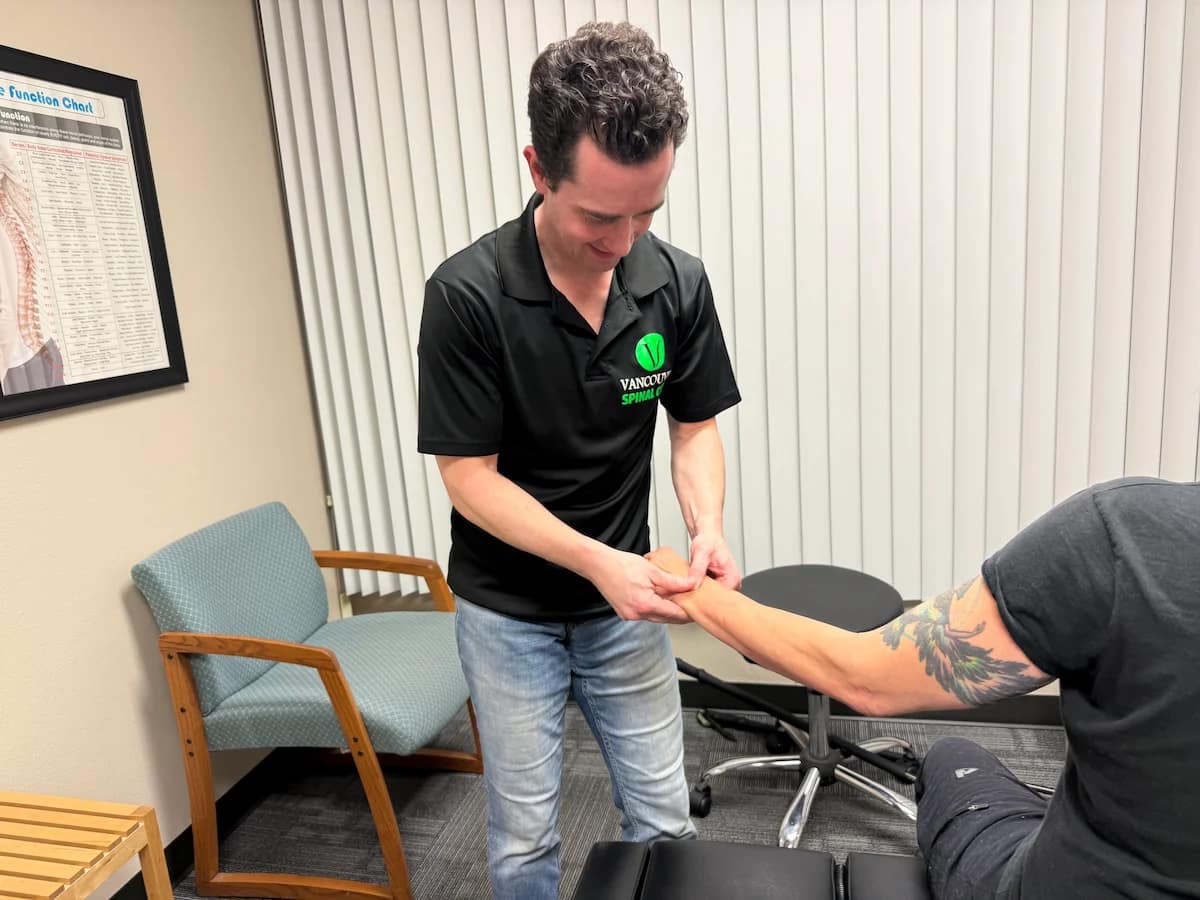
Lower-force techniques are the norm rather than the exception. Instrument-assisted adjusting – using a handheld tool to deliver precise, gentle impulses to spinal joints rather than a manual thrust – is particularly well suited to senior patients because it achieves joint mobilization without the higher force levels that can be uncomfortable or inappropriate in the presence of osteoporosis or significant degenerative changes.
Dr. Freeman’s evaluation for senior patients also pays close attention to bone density concerns. Patients with known osteoporosis or significant osteopenia receive care that’s specifically designed around the reduced structural resilience of the bone – certain techniques are modified or avoided entirely, and the overall approach is calibrated to be effective without creating risk.
Chiropractic and Medication in Older Adults
One of the most significant benefits of chiropractic care for senior patients is that it provides a drug-free option for managing chronic musculoskeletal pain. Older adults are disproportionately affected by the side effects of long-term NSAID use – gastrointestinal bleeding, kidney function decline, and cardiovascular risk – and opioid medications carry their own serious risks in this population.
Chiropractic care doesn’t replace medication in every case, and we’re not suggesting it should. But for pain that’s being managed primarily with NSAIDs or other analgesics, adding chiropractic care to the treatment plan often allows for reduced medication dependence – which matters more as patients get older.
What to Expect at Your First Visit as a Senior Patient
Your first visit begins with a thorough health history – including any relevant medical conditions, medications, previous surgeries, and fall history. Dr. Freeman takes this context seriously because it directly shapes the approach to care. From there, the clinical evaluation includes range of motion testing, orthopedic assessment, and the Nervous System Scan. Diagnostic X-rays are recommended for most senior patients because the structural picture is particularly important for determining which techniques are appropriate.
Everything is explained clearly throughout the process. There’s no pressure toward any particular treatment plan, and realistic expectations are set from the start about what chiropractic can and can’t accomplish at different stages of spinal degeneration.
Staying Active Longer Is Worth Fighting For
One of the most consistent things we hear from senior patients at Vancouver Spinal Care is that they came in to address a specific pain problem and left with better overall mobility than they’d had in years. The connection between spinal health and quality of life becomes more concrete as we age – and the gap between staying mobile and losing independence can be narrower than people realize.
If you’re an older adult in Vancouver, WA dealing with back pain, neck pain, or mobility issues that are limiting what you can do, we’d welcome the chance to see what chiropractic care can do for you. Schedule an appointment online or call us at 360-694-0300. Vancouver Spinal Care has been serving patients of all ages throughout Orchards and Clark County for over 15 years.